

 Article written by a specialist
OH₂S: Substance labelling and concentration limits
Workplace hazards are most often associated with physical, mechanical injuries and pain. There is, however, a group of factors that we may not see, hear, or sometimes even smell: chemical hazards. What types are there? How do we protect ourselves from them, and how do we manage chemical risk at work? I will look at these questions in a new series of articles on chemical safety under the collective title OH₂S.
As a reminder: when it comes to chemical hazards, we are talking about two main types of products, namely substances and mixtures. A substance is a chemical element or a compound of one, usually in pure form apart from any impurities resulting from the manufacturing process. Examples of substances are ethanol or sodium hydroxide. Substances are then classified on the basis of their own properties.
A mixture, on the other hand, is a combination of two or more substances that do not react with each other, for example paint or washing-up liquid. Mixtures are usually assessed on the basis of the substances they contain and their concentrations.
GHS/CLP hazard pictograms
Anyone who has ever held a bottle of paint thinner will recognise these markings at once. Today the same markings appear on labels in Poland and in Japan alike, but it was not always so: the current form of the pictograms is the first attempt at globally harmonising the labelling of substances.
These distinctive red diamonds first appeared in a manual published by the UN in 1956, commonly known as the “Orange Book”, and took their final form when the GHS was created in 2003. The full name of the system is Globally Harmonized System of Classification and Labeling of Chemicals, so it is no surprise that a shorter nickname emerged here too: the “Purple Book”.
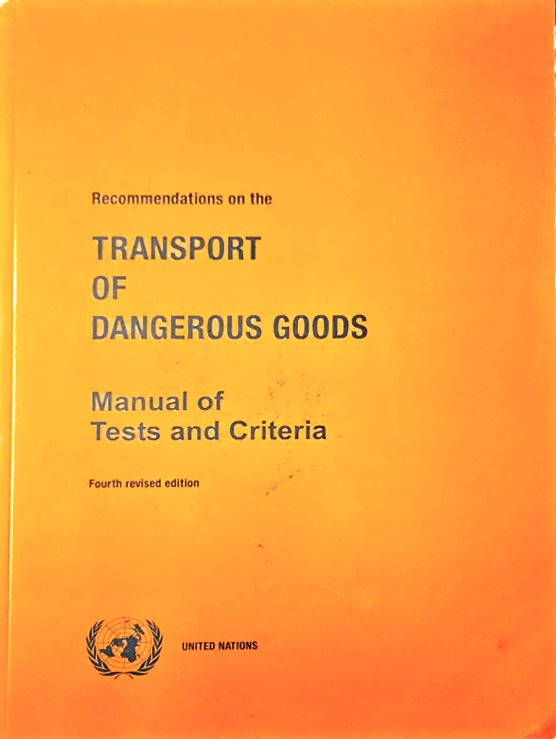
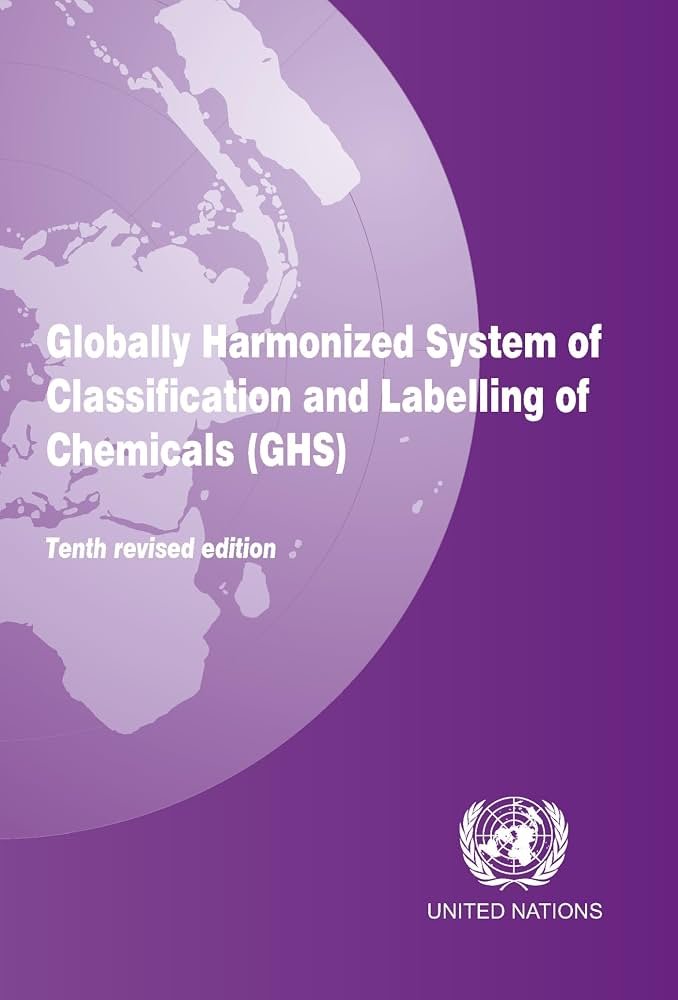
The European counterpart of the UN's GHS is the CLP system (Classification, Labelling and Packaging), introduced in 2009 as mandatory for all substances and, from 2015, for mixtures as well. It is worth knowing their exact meaning, set out in the list below:
Meaning of the nine CLP pictograms:
-
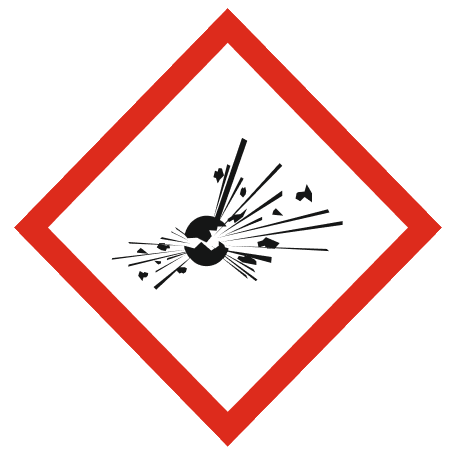
1. Explosives
May explode as a result of heat, flame, impact or other factors, depending on the properties of the product.
-
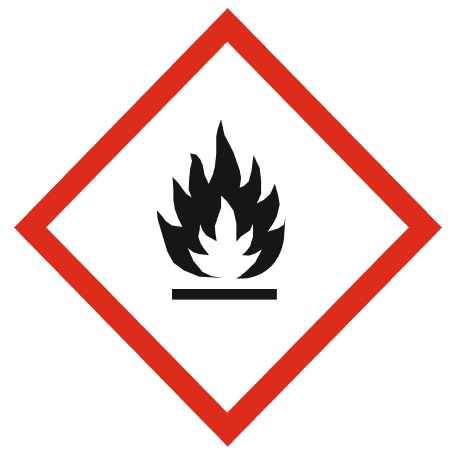
2. Flammable substances and mixtures
May ignite easily on contact with an ignition source.
-
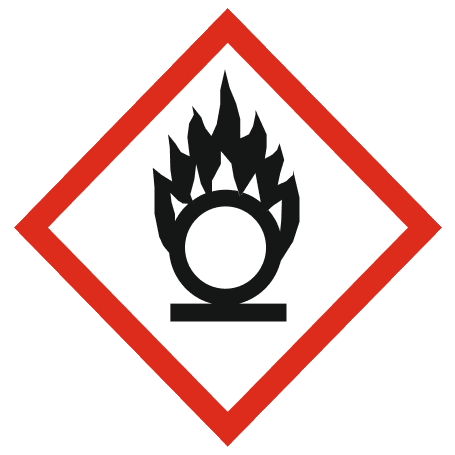
3. Oxidising substances
May cause or intensify a fire, even if they are not fuel themselves.
-
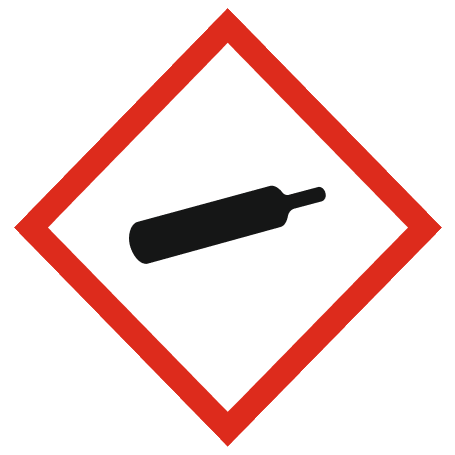
4. Gases under pressure
Include compressed, liquefied and other gases stored under pressure. Heating a cylinder may create a risk of rupture, and contact with a refrigerated gas a risk of frostbite.
-
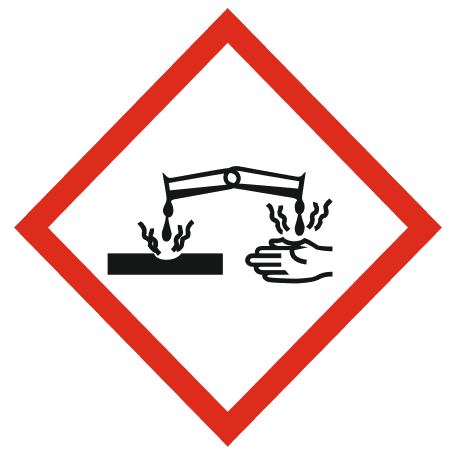
5. Corrosive
Means destruction of materials and tissue; may be corrosive to metals and may cause severe skin burns and bodily harm.
-
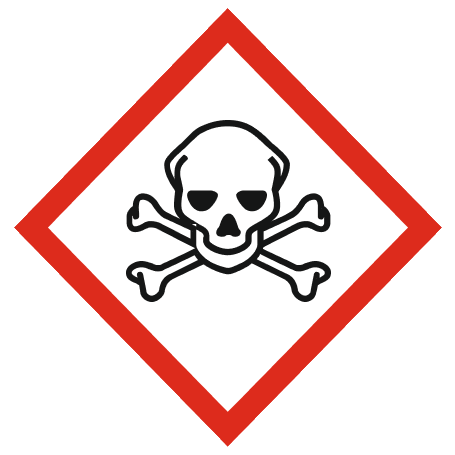
6. Acute toxicity
Means a risk of serious poisoning, even death, after exposure by ingestion, inhalation or through the skin.
-
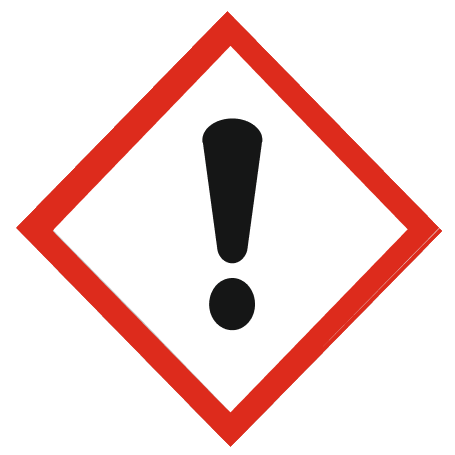
7. Irritant and harmful
May mean, among other things, skin or eye irritation, skin sensitisation or harmful effects after exposure.
-
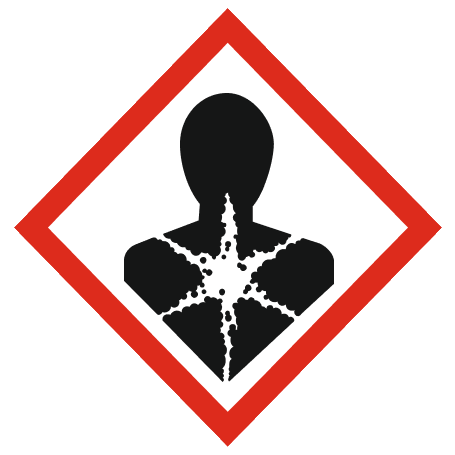
8. Serious health hazard
Includes, among other things, carcinogenic and mutagenic effects, harmful effects on reproduction, respiratory sensitisation and specific organ effects.
-
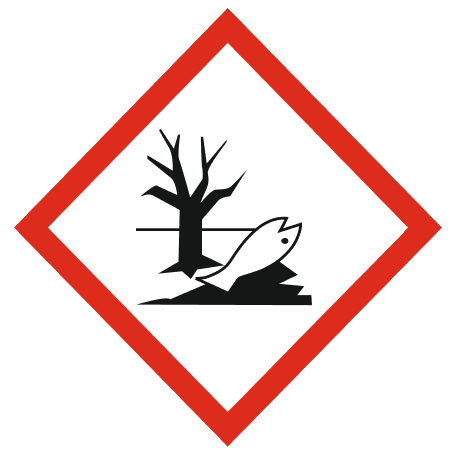
9. Environmental hazard
Warns above all of hazardous effects on aquatic organisms, including possible long-term effects.
Remember that CLP provides only general warnings. If we want more in-depth information, we should examine the properties of the product, its concentration, the contact time, the working conditions and the route of absorption.
Inhalation: the most dangerous route of chemical hazards
Substances can enter the human body in several ways. The dermal route is absorption of a substance through the skin. Ingestion is absorption through the digestive tract. It most often happens by accident as a result of failing to follow hygiene rules, for example eating or smoking with hands contaminated with chemicals.
The greatest threat, however, is absorption through the respiratory system, that is, inhalation. It is the fastest and most dangerous route of entry, because the lungs have a large absorptive surface and a rich blood supply, which allows chemicals to reach the bloodstream immediately.
Let us look at the numbers. During quiet breathing an adult takes on average about 12–16 breaths a minute. The volume of a single breath is roughly 500 ml, although it varies with activity. This means that several hundred litres of air can pass through the lungs in an hour, and about 10,000 litres or more over a whole day. During physical effort, lung ventilation rises markedly. A worker doing heavy work in a chemically contaminated environment can therefore inhale far more contaminants than a person doing light work in the same conditions.
Concentration limits of substances in the air
Because of the degree of hazard from inhaling harmful substances, in the 1970s Poland set up the Interministerial Commission for NDS and NDN (the Polish occupational exposure limits). For each substance it prepares documentation determining the permissible concentrations/intensities of harmful agents in the workplace. These limits are set on the basis of data from studies on humans (epidemiology, occupational exposure) and on animals.
In the Polish system we speak of three components, each answering a different kind of hazard:
- NDS: maximum admissible concentration (MAC): a time-weighted average value relating to a defined exposure time, essentially an eight-hour working day and an average weekly working time.
- NDSCh: maximum admissible short-term concentration (STEL): a value relating to short-term exposure, which must not be exceeded within a defined time.
- NDSP: maximum admissible ceiling concentration (CL): a value that must not be exceeded at any moment
Knowing the pictograms and concentration limits is only half the battle. A diamond with a flame and a diamond with a flame over a circle look similar, but placed next to each other on one shelf they can create a greater hazard than either of them alone. That is why in the next article in the OH₂S series I will look at storage rules: what must not be stored together, how to prepare a storage room and why “temporarily put in the corner” is the most dangerous place in the plant.


Ready for digital OHS?
BHP Panic automates documentation, training and deadlines. All in one place. Start using it today.
See the plans